

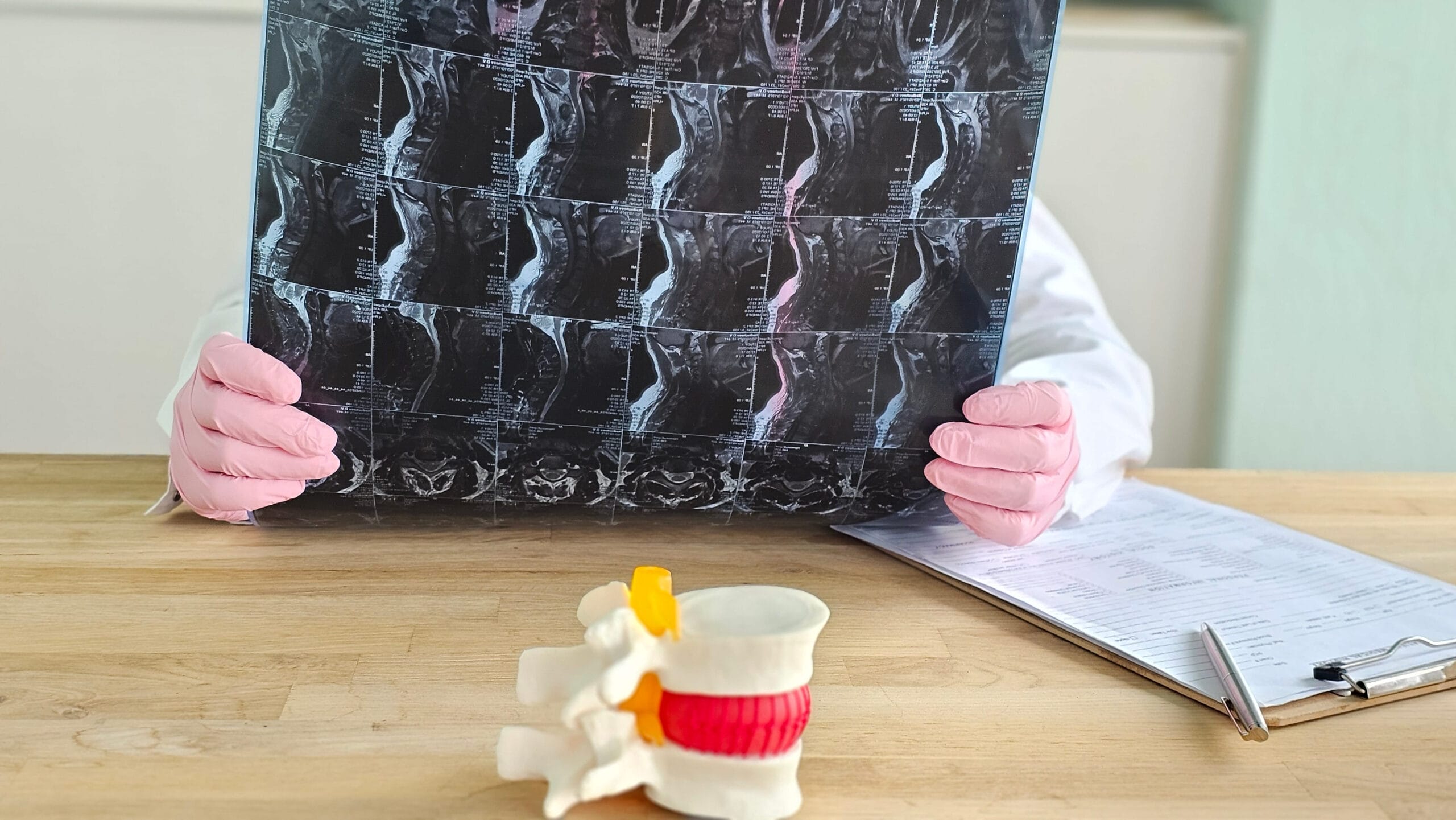
The ache usually shows up before the scan does. A deep, gnawing pain in the hip or the lower back that doesn’t quiet down at night, doesn’t respond to rest, and doesn’t feel like the strain you had last spring. When imaging shows cancer has reached the bone, radiation for bone metastases is often the fastest, gentlest way to take that pain apart.
This isn’t a last resort. At Phoenix CyberKnife and Arizona Radiation Therapy Specialists, it’s a planned, outpatient treatment that can begin within days of your consultation. No incision. No hospital stay. Here’s what’s actually happening inside the bone, and what treatment looks like from your side of the table.
Why Cancer Travels to Bone, and Why It Hurts So Much
Bone isn’t inert scaffolding. It’s living tissue that rebuilds itself constantly, with one set of cells (osteoclasts) breaking old bone down and another set (osteoblasts) laying new bone in behind them. That constant remodeling makes marrow a rich, growth-factor-heavy place for stray tumor cells to settle.
When they do settle, they hijack the balance. Some lesions are osteolytic, meaning they dissolve bone faster than the body can replace it and leave a thin, fragile spot. Others are osteoblastic and pile on new bone that’s dense but poorly organized. Either way, the structure weakens.
The pain has three sources: the periosteum (the nerve-rich sleeve wrapping every bone) getting stretched, chemical signals released by dying tissue, and tiny fractures that form under normal daily load. The spine, pelvis, ribs, and upper leg bones take the majority of these lesions, largely because they hold the most red marrow. Prostate, breast, lung, kidney, and thyroid cancers spread to bone most often. The American Cancer Society’s overview of bone metastases explains the biology in plain terms if you want to read further.
The bone gets loud. And unlike a muscle strain, it doesn’t quiet on its own, which is why waiting rarely helps. Bone involvement also changes the treatment conversation, since it means the cancer has traveled from its original site. The National Cancer Institute’s guide to metastatic cancer explains what that shift does and doesn’t mean for your prognosis.
How Targeted Radiation Calms the Bone Down
Radiation works by damaging the DNA inside tumor cells so they can’t keep dividing. In bone, that does two useful things at once. The tumor cluster shrinks, so pressure on the periosteum drops. And the inflammatory signaling that keeps the nerve endings firing settles down.
Most patients notice meaningful pain relief within one to three weeks, and some feel a shift in a matter of days. Over the following months, healthy bone often remineralizes into the treated area, which can lower fracture risk in a weight-bearing site.
The delivery method depends on the goal. When the aim is pain control, a short course (sometimes a single treatment) is often enough. When there are only one to three metastatic sites and the goal is longer-term disease control, stereotactic body radiotherapy delivers a much higher dose in three to five sessions with sub-millimeter accuracy. That precision matters most near the spinal cord, which is why spine metastases are treated with especially tight margins.
Our robotic and image-guided treatment technology tracks the target continuously and corrects for breathing motion in real time. Nothing needs to be bolted down. That’s the whole point.
What Your Treatment Course Actually Looks Like
Most patients are surprised by how ordinary the process feels. Here’s the sequence:
- Consultation. A radiation oncologist reviews your imaging, pathology, pain pattern, and current systemic treatment, then explains whether radiation fits and what dose schedule makes sense.
- Simulation. A planning CT scan maps the treated area in three dimensions. You’ll be positioned exactly as you will be during treatment, often with a cushion or cradle molded to your body.
- Planning. Your physician and a medical physicist build a dose map that concentrates radiation on the lesion while sparing the spinal cord, bowel, kidneys, or lung nearby. This usually takes a few days.
- Delivery. Each session runs roughly 15 to 45 minutes. You lie still and breathe normally. There’s no sensation during the beam itself.
- Follow-up. We check in on pain scores, medication use, and imaging on a schedule set by your care team.
Practical prep is simple. Wear loose clothing without metal near the treated area, keep taking your pain medication on schedule (don’t taper before treatment), bring a list of current medications and supplements, and arrange a ride if your pain makes driving uncomfortable. Eat normally unless told otherwise.
Radiation aimed at bone is also a core part of supportive cancer care. The National Cancer Institute’s palliative care fact sheet describes how symptom-directed treatment runs alongside, not instead of, your primary cancer therapy.
Frequently Asked Questions
Q: Is radiation for bone metastases covered by insurance?
A: Yes, in nearly every case. These treatments are covered by Medicare and by most private insurance plans. Our team verifies your benefits and obtains any prior authorization before your first session, and we’ll walk you through expected out-of-pocket costs in advance so there are no surprises.
Q: Will I lose my hair or feel sick from treatment?
A: Radiation targeted at bone doesn’t cause hair loss anywhere except possibly the small skin area directly in the beam path, and that’s uncommon at these doses. Nausea is unusual unless we’re treating near the abdomen. The most common side effect is fatigue, plus a temporary flare in pain during the first few days as inflammation peaks before it drops. We can manage that flare with medication.
Q: How quickly can I start?
A: Often within a week of your consultation. Simulation and planning typically take two to four business days, and we prioritize scheduling when pain is severe or a bone is at risk of fracture. If you’re already established with a medical oncologist, we coordinate directly so nothing in your systemic treatment gets interrupted.
You Don’t Have to Live With This Pain
Bone pain from metastatic cancer is treatable, and it’s treatable quickly. If you or someone you love is weighing options, a consultation costs you an hour and gives you a clear picture of what targeted radiation could do. Second opinions are welcome, and we work in close coordination with your existing oncology team rather than around it.
You can reach us at any of our three Valley treatment centers in Scottsdale, Phoenix, and Glendale. Phoenix CyberKnife and Arizona Radiation Therapy Specialists: Now Stronger Together.