

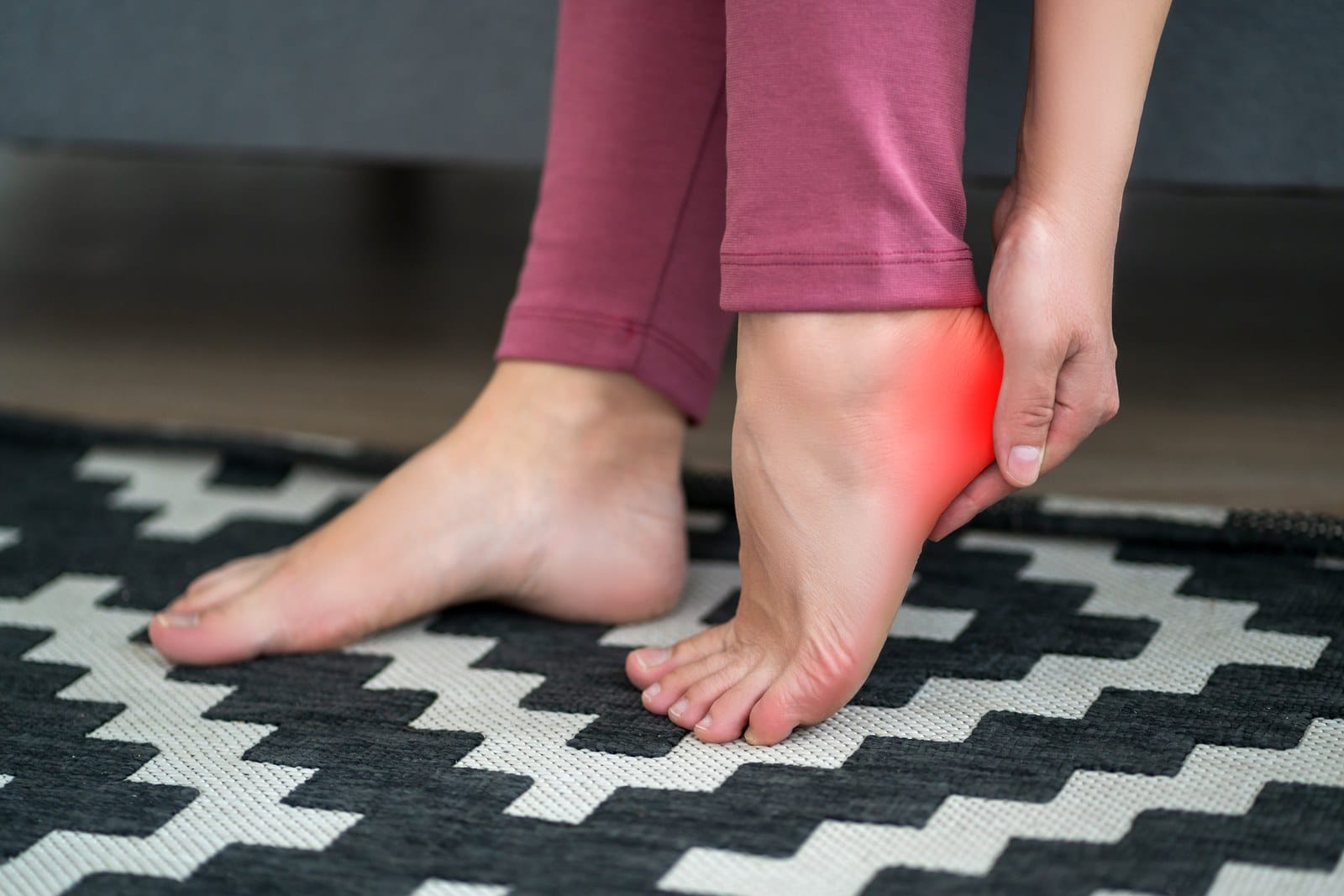
That first step out of bed can stop you cold. Sharp heel pain, worst in the morning, is the signature of plantar fasciitis, and for some people it just won’t quit. When stretching, orthotics, and injections haven’t helped, radiation therapy for plantar fasciitis is a low-dose option many people have never heard of. At Phoenix CyberKnife and Arizona Radiation Therapy Specialists, we treat more than cancer, and stubborn heel pain is one of the benign conditions we help with.
This one is built as a Q&A. These are the questions patients ask us most about using gentle radiation to calm chronic heel pain. In a place like the Valley, where people stay active year-round, foot pain that won’t quit can shrink your whole world. It’s worth knowing every option.
What Is Radiation Therapy for Plantar Fasciitis?
Plantar fasciitis is inflammation of the thick band of tissue along the bottom of your foot, the plantar fascia. When it turns chronic, that inflammation keeps flaring no matter what you try. Low-dose radiation therapy targets the inflamed tissue with a very small amount of radiation, far lower than the doses used for cancer.
How does a little radiation help a sore heel? It calms the inflamed tissue, helps break down stubborn scar tissue in the heel and arch, and prompts the body’s own repair response. This is different from surgery or injections. Nothing is cut, and nothing is injected into the heel.
The goal is simple. Calm the inflammation, ease the pain. The Cleveland Clinic offers a helpful primer on what plantar fasciitis is and why it lingers, which explains why some cases resist standard care.
How Well Does It Work, and Is It Safe?
This isn’t fringe treatment. Low-dose radiotherapy for heel pain has been used in Europe for decades and is backed by a growing body of research. One peer-reviewed study found that most patients reported meaningful, lasting pain relief, with improvement often showing up within weeks. You can read the published findings on low-dose radiotherapy for plantar fasciitis if you want the detail.
A typical course uses several small fractions spread across a week or two, adding up to a total dose that stays low. Compared with surgery, there’s no wound to heal and no time on crutches. Compared with repeated steroid shots, there’s no needle in an already painful heel. For the right patient, that trade-off is appealing.
Safety is a fair concern. The dose is tiny. Because we use precise targeting, the treatment focuses on the heel and limits exposure elsewhere, and serious side effects are rare. For a broader look at the condition and its standard care, the American Academy of Orthopaedic Surgeons keeps a trusted plantar fasciitis resource.
Who’s a good candidate? Usually someone whose heel pain has lasted six months or more and hasn’t eased with the standard steps. If you’ve done the stretches, worn the orthotics, tried the shots, and still dread that first morning step, this is worth asking about. It’s often considered when other options have run their course.
What a Treatment Session Feels Like
Treatment is quick and comfortable. Here’s the routine:
- You sit or lie down while we position your foot.
- The machine delivers a low dose in a short session, usually just a few minutes.
- You feel nothing during the beam. No needles, no anesthesia.
- Most plans involve several sessions spread over a couple of weeks.
You walk in and walk out. There’s no downtime, and you can drive yourself home. Curious about the equipment? Our treatment technology page shows how targeted delivery works.
Because the sessions are so short and painless, they fit around work and errands. You won’t need a driver or a recovery day. Most people are surprised by how ordinary the visits feel, more like a quick X-ray than a procedure.
More Questions Patients Ask
Q: Will radiation therapy cure my heel pain for good?
A: Many patients get lasting relief, though results vary from person to person. Some notice improvement within weeks, while others respond more slowly. We set honest expectations based on your history.
Q: Is this covered by insurance?
A: Coverage varies more for benign conditions than it does for cancer, so we check your specific plan first. Our team explains what’s covered, and any costs, before you decide anything.
Q: Do I have to stop my other treatments?
A: Usually not. Radiation can often complement stretching, orthotics, and physical therapy. We coordinate with your podiatrist or primary doctor so everything works together.
Q: How soon might I feel better?
A: Some people notice relief within a few weeks of finishing, while for others it builds more gradually over a couple of months. If the first course helps only partway, a second short course is sometimes an option. We’ll talk through what’s realistic for you.
Ready to Take the First Painless Step?
Chronic heel pain wears you down, one painful step at a time. If you’ve tried the usual fixes without relief, radiation therapy for plantar fasciitis may be worth a conversation. It’s non-invasive, quick, and grounded in real evidence.
Reach out to Arizona Radiation Therapy Specialists today to ask whether this gentle option is right for you. You can request a consultation at one of our three Valley locations and finally take a step toward pain-free mornings.