

For many cases of skin cancer, external beam radiation is commonly used because it allows for the
precise targeting of affected areas without invasive procedures. Advances in technology continue
to make these treatments more accurate and efficient.
Understanding How Radiation Targets Cancer Cells
Radiation therapy works by disrupting the internal structure of cancer cells. Over time, this
damage prevents them from reproducing and causes them to die off. Modern techniques, such as
3D conformal radiation therapy, allow clinicians to carefully shape radiation beams to match the
tumor, minimizing exposure to surrounding healthy tissue.
Addressing Common Myths and Misconceptions
There are several misconceptions about radiation therapy. Many patients worry that treatment will
be painful, but the process itself is typically painless. Others fear they may become radioactive,
which is not the case with external radiation therapy. Understanding the facts can help patients
feel more comfortable and prepared.
Emphasizing the Importance of Personalized Care
Every cancer diagnosis is unique, which is why treatment plans are highly personalized. Physicians
consider the type, size, and location of the cancer, along with the patient’s overall health. This
tailored approach is especially important for skin cancer, where precision is critical to preserving
healthy skin and surrounding structures.
The Initial Consultation and Planning
Meeting with a Radiation Oncologist
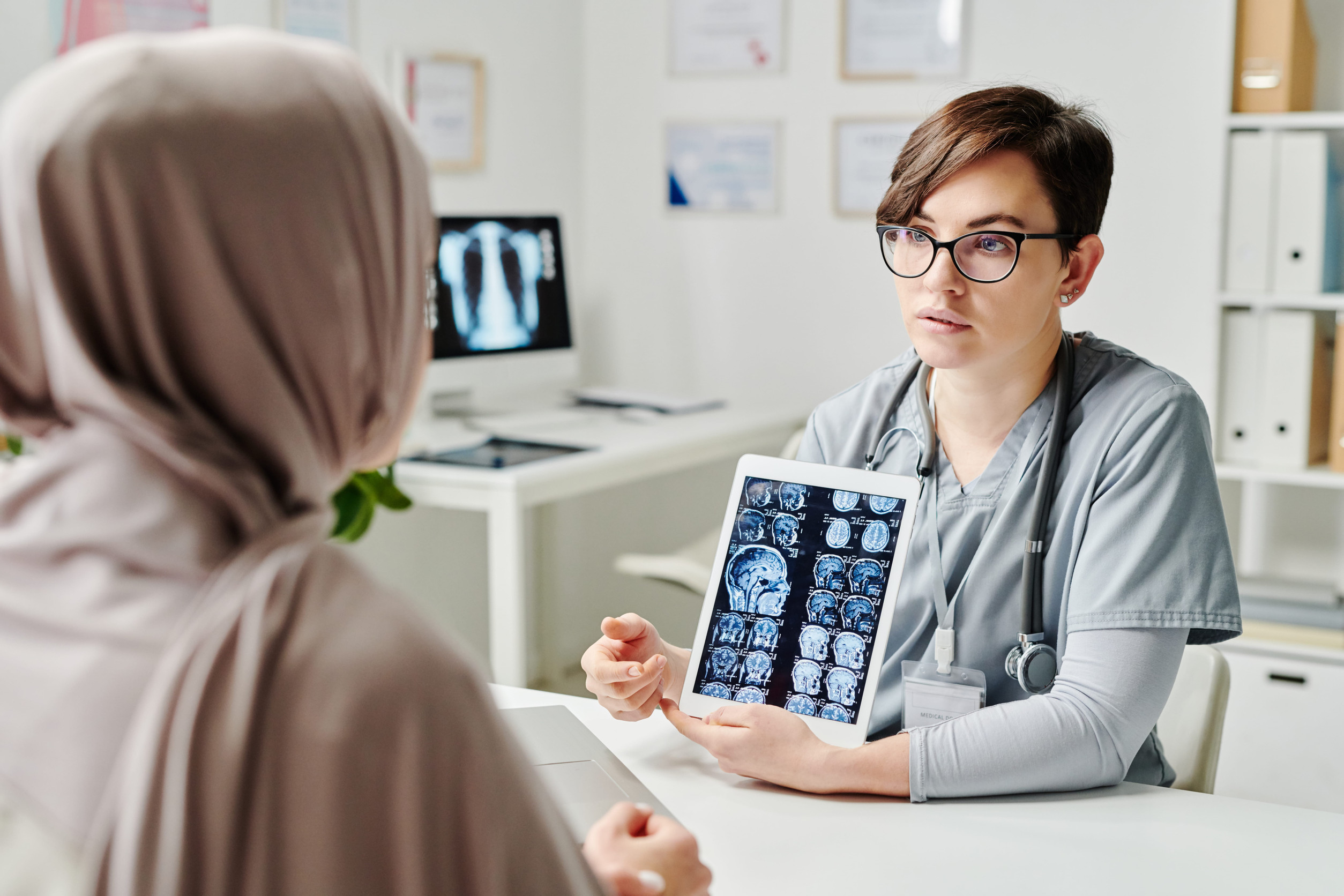
The process begins with a consultation where patients meet with a radiation oncologist to discuss
their diagnosis and treatment options. This is an opportunity to ask questions, understand the
goals of therapy, and learn what to expect moving forward.
Reviewing the Treatment Plan
During this stage, your provider will explain the recommended approach, including the number of
sessions and expected outcomes. Imaging may be used throughout treatment to monitor progress
and ensure the therapy remains effective.
Undergoing Simulation and Imaging
Simulation sessions use CT or MRI scans to map out the treatment area. These images guide the
care team in designing a precise plan that targets the tumor while sparing healthy tissue.
Creating Immobilization Devices
To ensure consistency, custom devices may be used to help patients remain in the same position
during each session. This level of precision is especially important for areas like the face or neck
when treating skin cancer.
Discussing Potential Side Effects
Patients will also learn about possible side effects, which can vary depending on the treatment
area. Common effects include fatigue and mild skin irritation. Knowing what to expect helps
patients feel more prepared and proactive in managing their care.
During Treatment Sessions
Understanding What Happens During a Session
Radiation therapy sessions are typically quick and painless. Patients are positioned carefully, and
the machine delivers radiation from multiple angles. The care team monitors the process closely to
ensure accuracy and safety.
Knowing the Treatment Schedule
Most patients receive treatment five days a week over several weeks. Each session usually lasts
less than 30 minutes, making it manageable for many daily routines.
Managing Pain and Discomfort
While the treatment itself is painless, some patients may experience side effects over time, such
as skin redness or fatigue. These effects are usually temporary and can be managed with guidance
from the care team.
Understanding the Role of the Care Team
Radiation therapists play a vital role in ensuring treatments are delivered safely and accurately.
They provide support, answer questions, and help patients feel comfortable throughout the
process.
A Day in the Life During Treatment
Daily life during radiation therapy often includes short appointments followed by rest or light
activity. Maintaining a routine, staying hydrated, and eating well can support overall well-being.
Managing Side Effects
Recognizing Common Physical Side Effects
Side effects vary depending on the treatment area. For patients with skin cancer, localized skin
irritation is one of the most common effects, often resembling a mild sunburn. Proper skincare and
medical guidance can help manage these symptoms effectively.
According to the National Cancer Institute, in 2025, an estimated 2,041,910 new cancer cases and
618,120 deaths were projected in the United States, with breast, prostate, lung, and colorectal
cancers being the most common. As cancer rates remain high, effective symptom management
continues to play a critical role in patient care.
Addressing Emotional and Psychological Impact
Cancer treatment can take an emotional toll. Feelings of anxiety or stress are common, but
support from counseling or support groups can make a significant difference. Emotional well-being
is an important part of the healing process.
Following Nutritional Guidelines
A balanced diet helps support the body during treatment. Eating nutrient-rich foods and staying
hydrated can improve energy levels and aid recovery.
Utilizing Support Systems
Support groups and counseling services provide patients with a sense of community and
understanding. Sharing experiences with others can reduce feelings of isolation and improve
overall outlook.
Managing Symptoms with Medical Support
Medications and supportive care strategies can help manage side effects such as nausea, fatigue,
or skin irritation. Open communication with your care team ensures the best possible experience
during treatment.
Post-Treatment Care and Monitoring
Attending Follow-Up Appointments
After treatment, patients will attend regular follow-ups to monitor recovery and check for any signs
of recurrence. These visits may include imaging and physical exams.
Understanding Long-Term Effects
While many side effects fade over time, some may persist. Ongoing monitoring helps address any
long-term concerns early and effectively.
Monitoring for Recurrence
Routine evaluations are essential for detecting any recurrence of cancer. Early detection allows for
prompt treatment and better outcomes.
Exploring Rehabilitation Options
Some patients may benefit from physical therapy or rehabilitation to regain strength and mobility
after treatment.
Maintaining a Healthy Lifestyle
Adopting healthy habits, such as regular exercise and balanced nutrition, can support long-term
recovery and overall wellness.
Understanding the Future of Care
The future of radiation therapy includes advancements in artificial intelligence and personalized
medicine, allowing even more tailored and effective treatments.
Radiation therapy is a powerful and evolving approach to cancer treatment. While the process may
feel overwhelming at first, understanding each step can help patients feel more confident and
prepared. With advancements in technology and a strong focus on personalized care, patients.
including those being treated for skin cancer, have access to safer, more precise treatment options
than ever before.
At Phoenix CyberKnife, we are committed to providing advanced, non-invasive radiation therapy
tailored to each patient’s unique needs. Our team combines cutting-edge technology with
compassionate care to deliver precise treatments that prioritize your comfort and outcomes. If you
are exploring treatment options, contact Phoenix CyberKnife today to learn how we can support
you on your path to healing.