

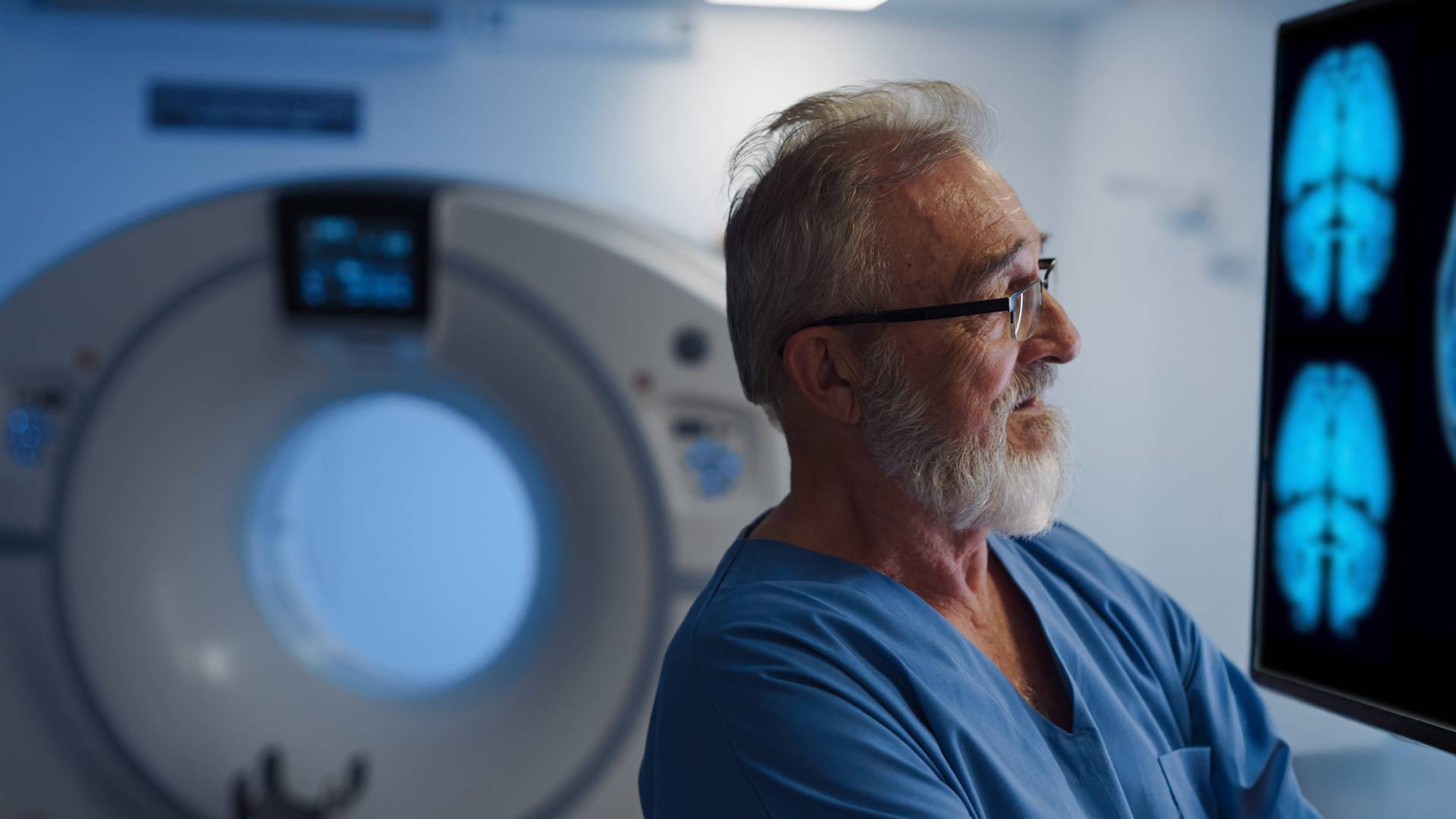
Getting a cancer diagnosis in the Valley brings a flood of decisions, often before you’ve fully processed the news. One of the first questions patients face is where to receive radiation therapy, and the choice matters more than most people realize. The right radiation oncology team in Phoenix, AZ can shape your treatment timeline, your side effect profile, and how quickly you get back to your life.
There’s a meaningful difference between a radiation department buried inside a large hospital system and a dedicated, outpatient radiation oncology practice. Both can treat cancer. They don’t always treat it the same way.
What Radiation Oncology Actually Does
Radiation oncology is the medical specialty that uses targeted radiation to destroy cancer cells while sparing the healthy tissue around them. According to the National Cancer Institute, more than half of all cancer patients receive radiation at some point in their care. For many cancers, it’s the primary treatment. For others, it works alongside surgery, chemotherapy, or immunotherapy.
A radiation oncologist is a physician who has completed years of specialty training in cancer biology, radiation physics, and clinical treatment planning. They don’t perform surgery. They don’t administer chemo. Their entire focus is the precise delivery of therapeutic radiation, which means they think about your tumor differently than a general oncologist might.
That focused expertise matters. Modern radiation isn’t a single tool. It’s a family of techniques, and choosing the right one for your specific tumor is where outcomes are won or lost.
Why Precision Technology Changes the Conversation
The radiation therapy your grandparents knew is gone. Today’s treatments are delivered with sub-millimeter accuracy by systems like CyberKnife, which uses a robotic arm and real-time imaging to track a tumor as you breathe. You can see the equipment we use on our advanced treatment technology page.
Here’s what that precision unlocks for patients (without using a word that’s been overused into meaninglessness):
- Higher radiation doses to the tumor itself
- Lower doses to surrounding healthy tissue
- Fewer sessions, often completed in five visits or less
- No incisions, no anesthesia, no hospital stay
- Faster return to work, family, and normal routines
For some tumors, that translates into a treatment course that wraps up in a single week rather than the six to eight weeks of conventional radiation. For others, especially in delicate locations like the brain, spine, or near the heart, the precision is the difference between treatment being possible and treatment being too risky.
The American Society for Radiation Oncology offers a helpful patient education library that walks through the differences between conventional radiation, IMRT, SRS, and SBRT in plain language.
What to Expect at an Outpatient Radiation Oncology Practice
If you’ve only ever pictured radiation therapy as something that happens in the basement of a big hospital, the reality at a dedicated outpatient practice will probably surprise you.
- Consultation. Your first visit is a conversation, not a procedure. A radiation oncologist reviews your pathology, your imaging, and your medical history. They walk through whether radiation makes sense for your situation, and if so, which technique fits best.
- Simulation. A planning session uses CT imaging (and sometimes MRI or PET) to map your tumor down to the millimeter. The team builds a custom treatment plan, often involving physicists, dosimetrists, and the radiation oncologist working together for hours behind the scenes.
- Treatment. Most sessions are quick. SBRT and SRS sessions typically run 30 to 60 minutes, with the actual beam delivery often lasting only minutes. You lie still. You don’t feel the radiation. You walk out and drive home.
- Follow-up. Side effects vary by tumor location and dose, but precision radiation generally produces fewer and milder side effects than older techniques. Your team checks in regularly during and after treatment to manage anything that comes up.
The full patient journey is laid out on our what to expect page, if you want a more detailed look at any step.
A practical note: a specialty practice typically books faster than a hospital department. When you’re newly diagnosed and the clock feels like it’s ticking, getting in within days instead of weeks can mean a lot.
Frequently Asked Questions
Q: How is a radiation oncology practice different from the cancer center at a hospital? A: Hospital systems treat many conditions across many departments. A dedicated radiation oncology practice does one thing and does it at high volume, which often means more experience with advanced techniques like CyberKnife and SBRT. Wait times for consultations and treatment starts are also typically shorter at an outpatient practice.
Q: Is radiation therapy covered by insurance in Arizona? A: Yes. Medicare and most private insurance plans cover radiation therapy when it’s medically appropriate, including advanced treatments like SBRT and stereotactic radiosurgery. Our billing team verifies benefits before your first session so there are no surprises.
Q: Do I need a referral to see a radiation oncologist? A: Most insurance plans don’t require one for a consultation, though some HMO plans do. You’re welcome to call us directly. If a referral is required, we’ll coordinate with your primary care doctor or specialist to keep things moving.
Q: How far in advance do I need to schedule? A: Most new patients are seen within a few business days. The American Cancer Society recommends starting radiation planning as soon as your treatment team agrees it’s the right next step, and we work hard to make that happen quickly.
Talk With a Phoenix Radiation Oncology Specialist
Choosing where to receive radiation therapy is one of the most consequential decisions you’ll make after a cancer diagnosis. You deserve a team that knows your tumor type, uses the right technology for it, and treats you like a person rather than a case number.
Our radiation oncologists at AZRTS care for patients across Phoenix, Scottsdale, and the West Valley, with three convenient Valley locations that keep your care close to home. Whether you’re newly diagnosed, weighing a second opinion, or trying to understand how advanced radiation fits into a plan your other doctors have proposed, we’re here to give you clear answers.
When you’re ready, contact our clinical team to schedule a consultation. We’ll review your imaging, walk through your options, and help you decide what makes sense next. No pressure. Just clarity.